
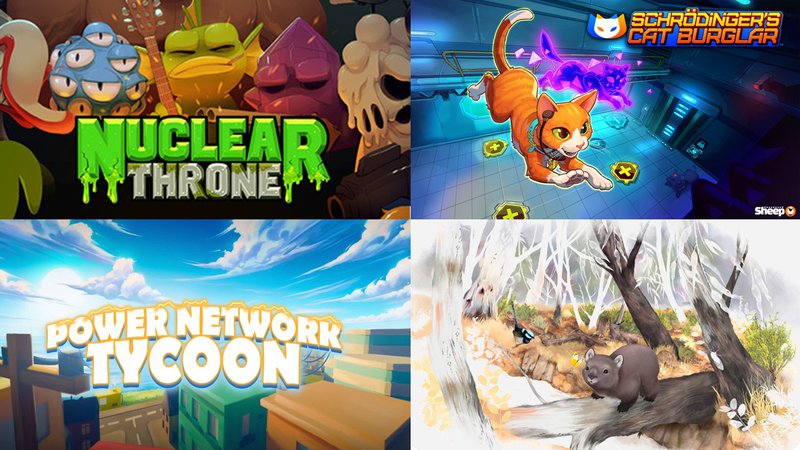
The world’s first video games library for educators has been established by University of Sydney staff, offering new – and highly sought-after – digital games for students.
Marcus Carter and Jen Scott Curwood worked with colleagues to create Ludolio, a new online platform enabling educational institutions to access digital games. Ludolio negotiates access to games for educational purposes with publishers and then sells subscription access to libraries, with 70% of revenue to be ploughed back into game development. The University of Sydney and University of Melbourne have signed up for use and Stanford will start using the platform soon.
“Existing digital games platforms are B to C (Business to Consumer) and not compliant with uni IT policies or privacy policies,” Professor Carter said.
“I have been at the University of Sydney since 2017 and have taught various games courses. I want students to play specific games so they can get experience in playing that game and talk to each other about it, but there has been no way for libraries to distribute games to students until now.”
The issue became really stark when the pair were working with secondary school teachers to develop curriculum around games. “Pedagogically it was fantastic, the learning outcomes were outstanding, but we came up against the same problem – inequitable access to games,” Professor Carter said.
The university colleagues set about creating Ludolio to overcome the issues they had each experienced over almost a decade.
Professor Carter said there were 20 games currently available on the platform, most of which were produced by relatively small, independent games developers – with an eye to curating a selection of games that are aligned with educational purposes and delivering a high quality experience to gamers. As more universities sign on, the Ludolio team will add more titles to the collection.
“We are really excited about the possibilities that will come from this and to also support good and interesting games,” Professor Carter said.
“We built this to support learning in schools and also have a broader positive impact on the games industry – this model could enable games to make money while being culturally artistic and interesting.”
People regularly asked why this sort of library hadn’t been developed before, given the popularity of gamified learning as well as the study of games and games development, he said. The team had worked through a wide range of issues in relation to the set up well beyond simple licencing issues, including privacy and access issues.
“I spent ages working with the library and IT for a solution and duct-taped-together a games lending approach, but it didn’t scale. I have 450 students now in one of my units and I had just three physical copies of a game in the library; it just didn’t work. So we created Ludolio.” Professor Carter said.
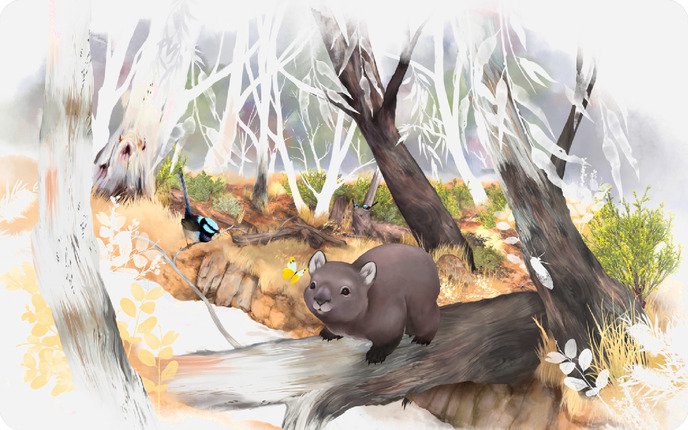
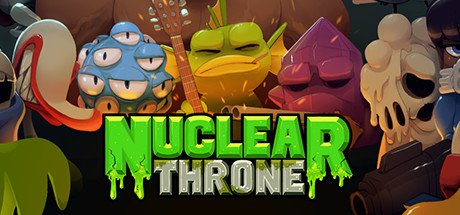
Games range from Paperbark, where students can play a game as a wombat, learning about the Australian bush, to nuclear throne, described as, “a post-apocalyptic roguelike-like top-down shooter,” to Power Network Tycoon, a game about running a power network designed by a former power network engineer.