
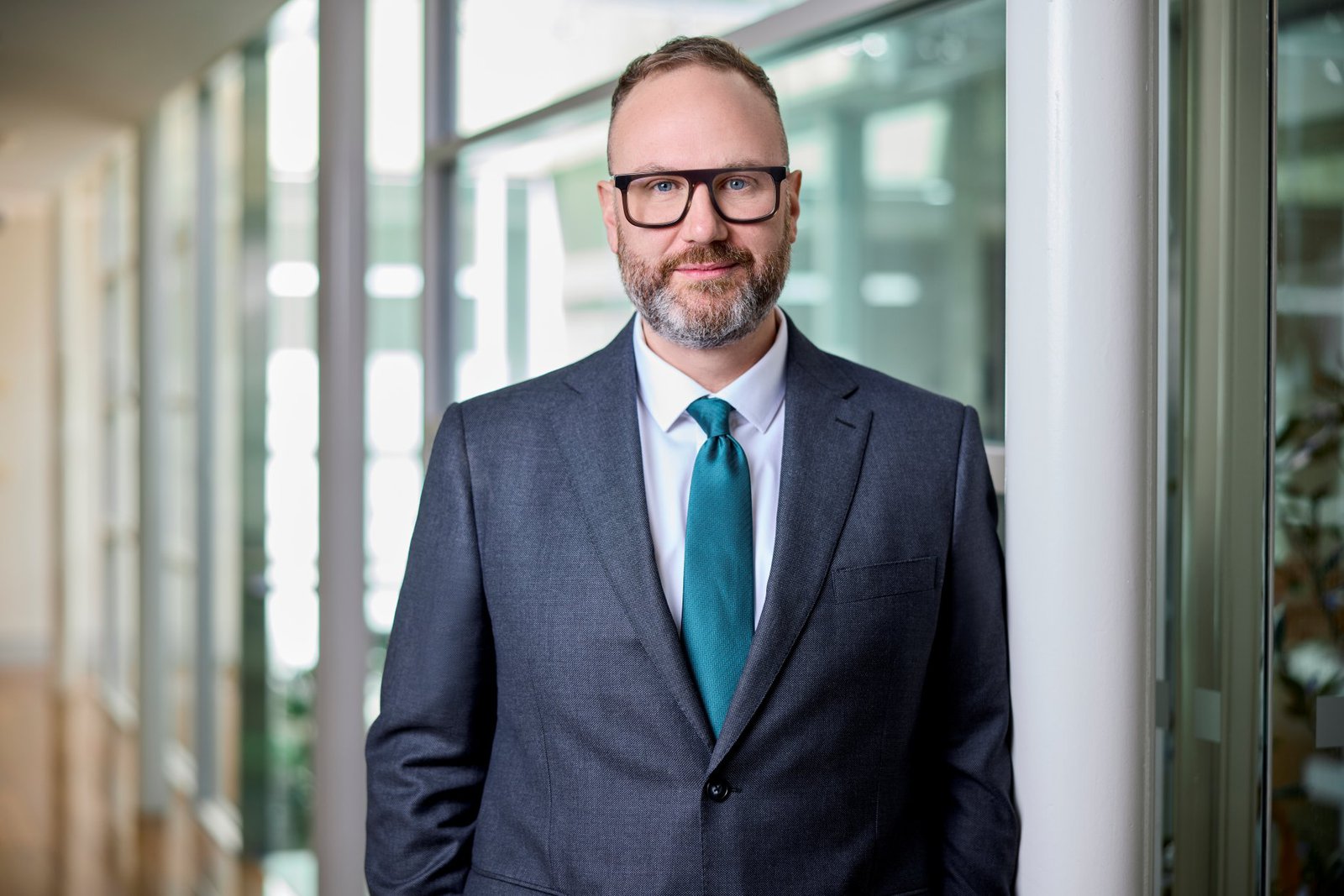
The central-planning assumptions that created the Job Ready Graduates package are part of a broader risk to the ideals and achievements of a humanities education, Luke Sheehy warns.
In a wide-ranging speech at a conference of the Australasian Council of Deans of Arts, Social Sciences and Humanities this morning, the CEO of Universities Australia will make a case for “change-ready civics education” that applies across the economy and serves all of civil society and is based on skills rather than specifics for present employment.
“We cannot tell an 18-year-old today exactly which occupational skills they will need in 2050. What we can do is equip them to learn, adapt, exercise judgment, communicate, collaborate and apply new knowledge in circumstances we can’t yet predict.” Mr Sheehy will say.
And he uses his comprehensive contempt for the Job Ready Graduates Program, developed by the Coalition but kept in place by the Albanese Government, to make his case for “change-ready” education.
“We say the future workforce needs people who can think critically, communicate, understand human behaviour, navigate cultural difference, interrogate information and exercise judgment in a world awash with AI-generated content. Then we impose some of the highest student charges on many of the disciplines that cultivate those capabilities.”
Mr Sheehy has another message for people in power who assume they have the authority to identify all the answers.
“We supported the creation of the Australian Tertiary Education Commission,” but he adds, “stewardship means partnership.
“The answer to every problem cannot be another layer of reporting or another mechanism through which government reaches further into universities.
“The premise of JRG was essentially that government knew better than students what they should study.”
His speech does not extend the argument to suggesting the premise of ATEC is that government knows better than universities what they should teach and study.
But it might occur to his audience, what with their educating, “people who can think, question, interpret, communicate, create, adapt, exercise judgment and work with people who see the world differently.”